
Personal Stories
A Thousand Lives Before Haapsalu
Interview: Svea Stamberg & Tetiana Khimich
Written by: Tetiana Khimich
Before I get into Natalia’s story (and no, don’t let her name fool you, she’s not Slavic), I should set the scene.
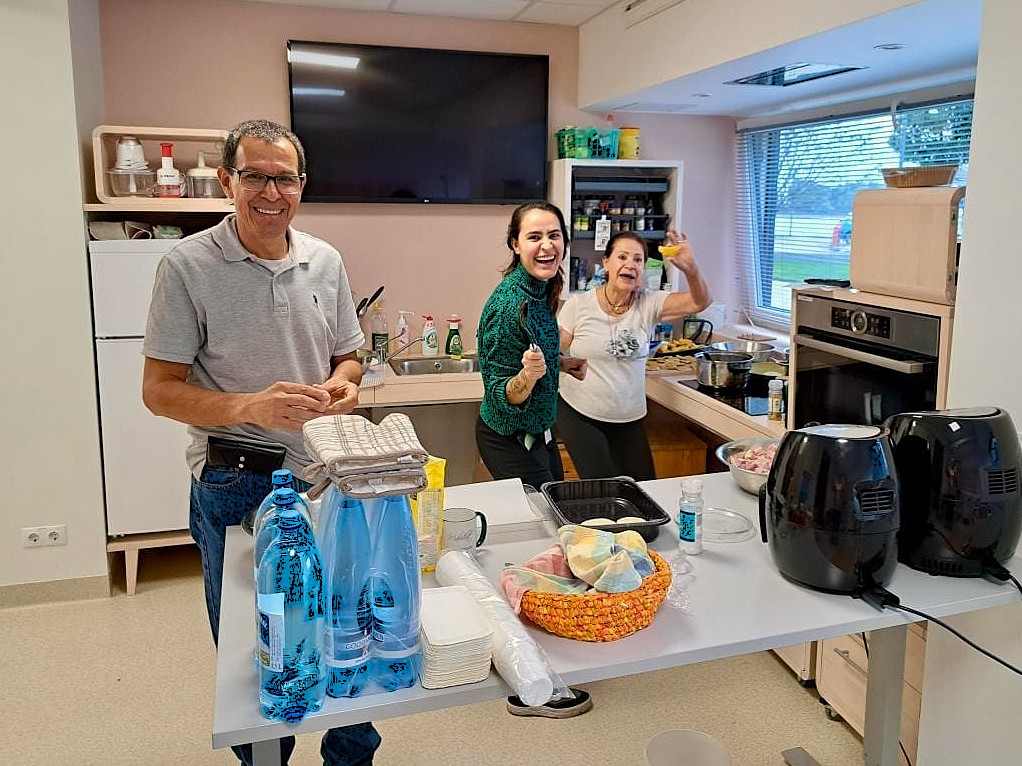
She and Svea were having their Sunday lunch while I struggled with the recording gear. I was pressing every button, Svea was tossing out ideas, and Natalia, calm, patient, already smiling, just said:
“I can use my phone.”
And just like that, we got going. Nothing complicated. That was Natalia: composed, efficient, and always on the move.
We worked at the same place, not exactly colleagues, but close enough to notice each other every day. She was almost the only one who always smiled and always said “Hello.” She’s still there as a physiotherapist, and me… well, I was more like a jack-of-all-trades, master of none. But this story isn’t about me.
One day, I spotted her, leapt from the still-moving car, and ran to invite her to our project. She agreed right away, beaming that sunny smile.
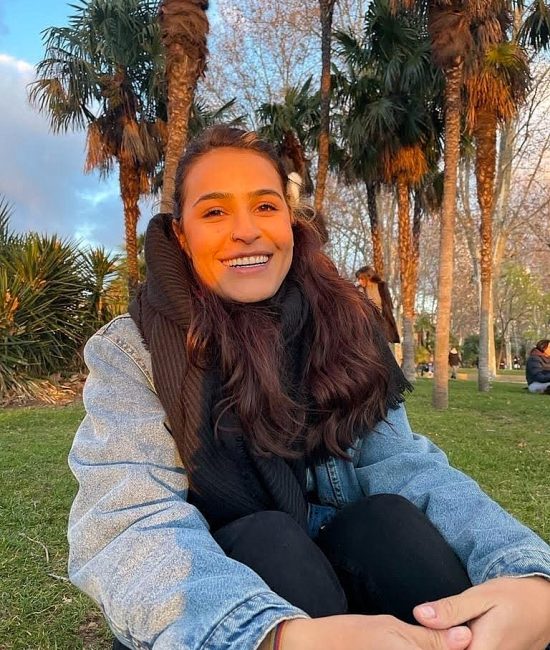
Close your eyes and picture Natalia. Her hair frames her face with effortless charm, her skin the color of coffee with a touch of caramel. Her laughter is light and lively, like the Magdalena River, and her eyes are deep, like rich hot chocolate. There’s a quiet strength in her calm, restrained but commanding. Passionate yet gentle, soft yet strong, much like her country.
Natalia became a physiotherapist because she was an athlete who got injured. Physio felt like the right blend of science and touch.
Natalia was born in Medellín, Colombia, the city of eternal spring, strong coffee and salsa, stretched across the hills of the Aburrá Valley.
Once one of the world’s most dangerous cities, Medellín has transformed into a hub of technology and street art. Murals tell stories of change, blooming like voices on the walls, and cable cars glide above the rooftops. In the 1990s, the city even tested helicopter taxis, an idea far ahead of its time.
Orchids bloom everywhere as symbols of renewal, while toucans and parrots move brightly through the green neighborhoods. Hearty cuisine, ripe sun-grown tropical fruits, fresh herbs crushed under warm fingers, grilled meats, and of course roasted coffee fill the air.
Sweet, spicy, smoky, and warm, like earth exhaling after a short tropical rain that comes like clockwork. This aroma carries the magic of her childhood.
Before Haapsalu, she had lived a thousand lives.
In 2020, a 10th-semester physiotherapy student dreamed of traveling while striving to become a confident professional.
“If you want something, just act. Dreams alone don’t work.”
So she acted.
Modeling, sweets, T-shirts, anything to reach Spain without debt.
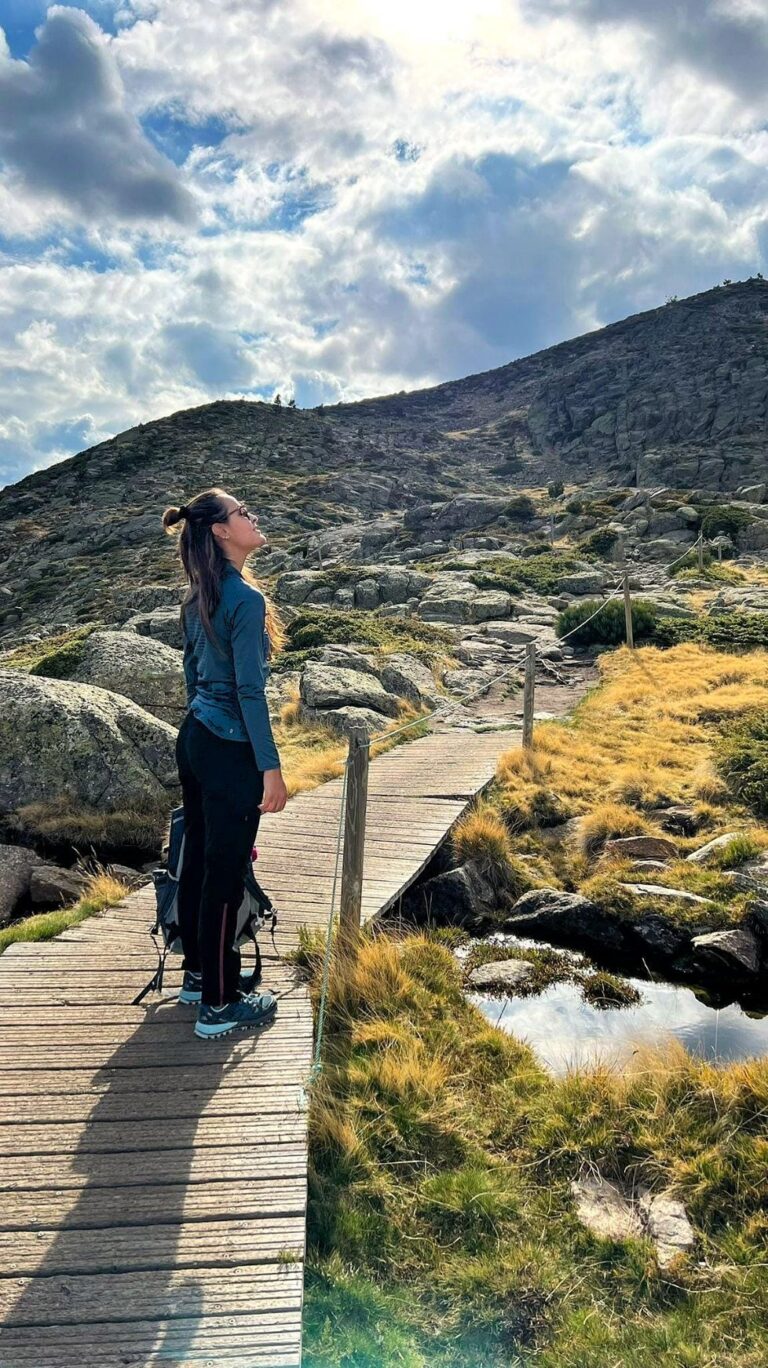
Seville in lockdown meant online classes and walls closing in. Germany came next. She worked as an au pair, without speaking German. She learned the language in a month and passed A1.
Back to Madrid. Three jobs. No rest. Exhaustion was always at her shoulder.
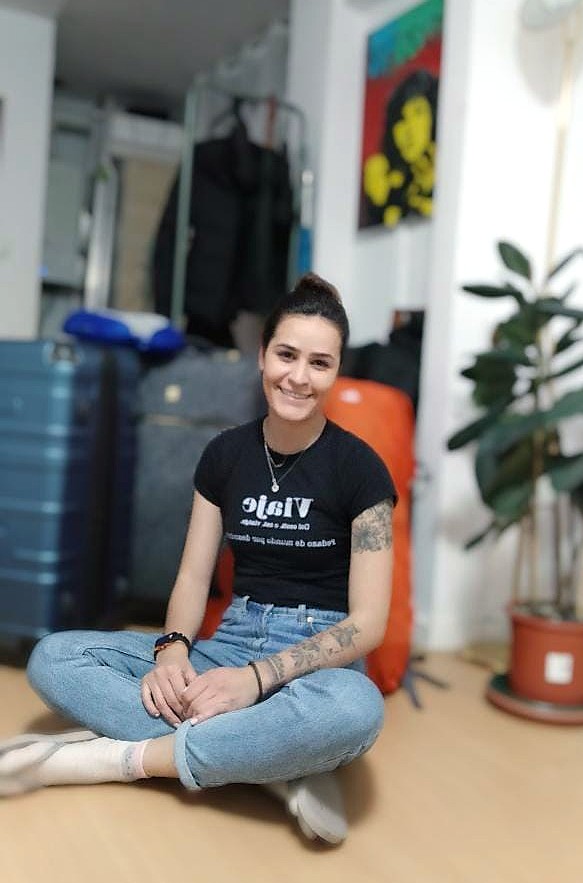
“I worked all the time. All. The. Time,” she recalls.
“I was tired, but I couldn’t stop. I wanted more than just surviving.”
And then, one message changed everything. A friend in Tallinn wrote about a hospital in a small town. They were looking for specialists.
“If it’s a better life, go. You’ve worked enough,” her father said.
The offer was good: one job instead of three, regular hours, an apartment, and most importantly, the chance to breathe again.
So she went.
“Why Haapsalu?”
“I don’t know. Maybe it chose me.”
Now she is happy here.
In Estonia, she helps people adapt after brain injuries and strokes. It’s delicate, layered work.
“At first, I asked, ‘Can I hug the patient?’ Now I just do it. I can’t help it.”
She laughs, but her eyes soften.
“Some people just need that human touch.”
Her patients leave her little notes, sometimes just “Thank you.” She keeps them all.
“When I read them, I cry,” she says quietly.
“Because it means I did something right.”
Now she teaches Pilates too. She is certified in the AEFEP method, designed for rehabilitation. Her classes are quiet, focused, and full of gentle concentration.
“I say it how I think it is; they correct me. We learn together.”
Language is a daily mountain. She operates in three tongues: English, Estonian, and often Russian.
“With patients I use my phone. I don’t care. What matters is understanding.”
She still feels bad asking someone to translate.
With colleagues, she navigates meetings where not everyone switches to English.
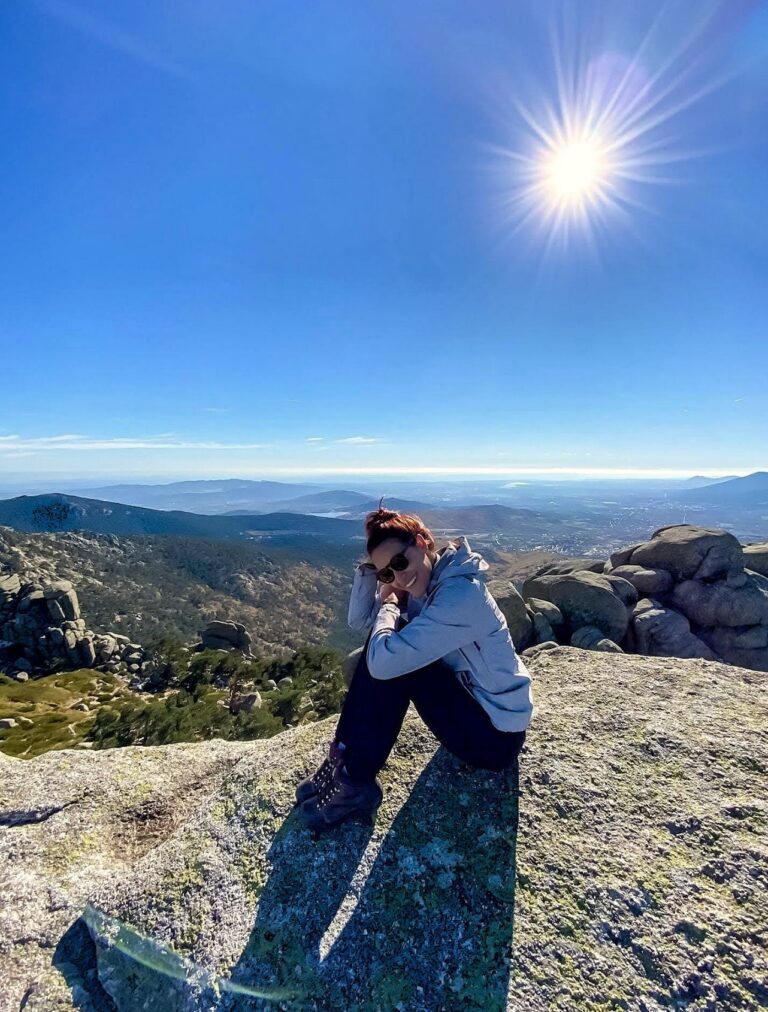
For her, belonging is about balance. A Colombian colleague to “speak with fire,” Estonian friends to practice quiet, a Mexican family, and a Portuguese mentor who open new doors. At first, she didn’t join the big Latin circles.
“I wanted to improve my English.”
When she arrived in Estonia, she spent the first six months crying almost every day, lost in the snow, the silence, and the language.
“I didn’t understand. No one hugged. Everyone looked serious. I thought maybe I was the strange one. I cried sometimes. It was tough. But I manage,” she says now, calm and sure.
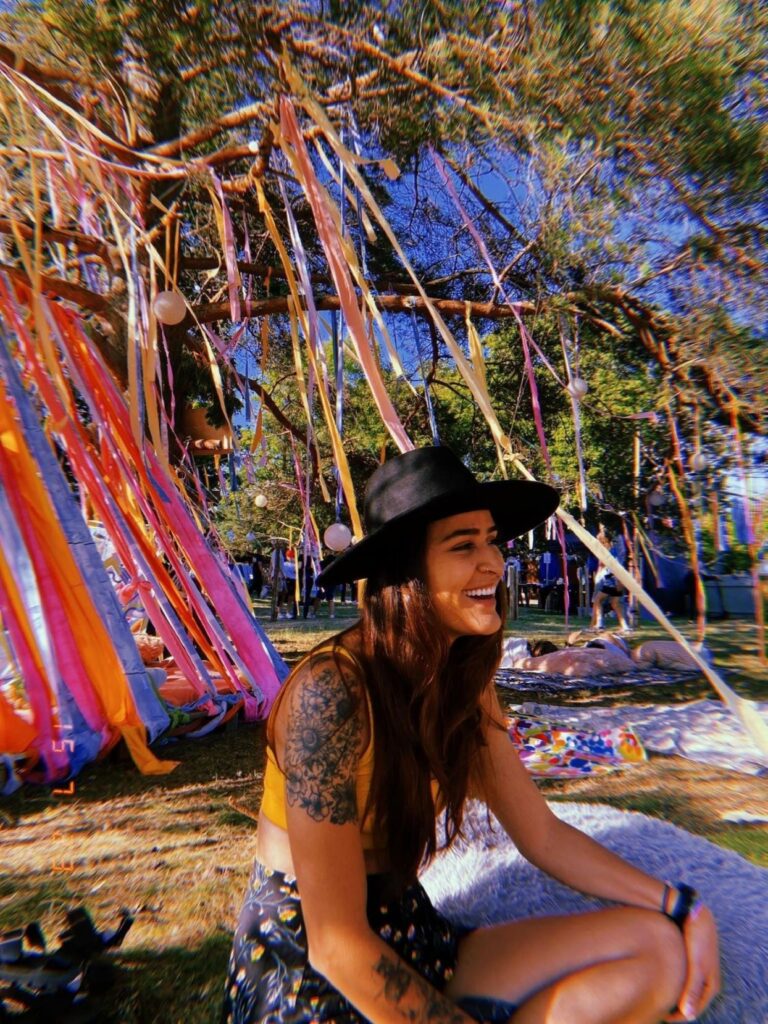
Step by step, she builds her life with the same energy that once had her selling cookies on university stairs. She travels across Estonia and discovers new places, moving from island to island, captivated by their quiet magic.
Sometimes she rides her bike 20 kilometers just to eat a burger by the lake. Other days, she walks along the sea with headphones on, lost in the slow rhythm of Haapsalu.
“I was tired of big cities,” she says.
“Madrid was noise, lights, too much of everything. Here, I can breathe. I needed calm.”
Her first experience with sauna was a surprise.
“I came with my swimsuit. My friend said, ‘No, no! Not here!’ I was like, what?! But now it’s normal,” she laughs.
Her curiosity is unstoppable, the kind that makes you try things you’re pretty sure you won’t like. She even gave Sült a chance. Yes, the jellied meat that terrifies most foreigners and looks like someone pressed Ctrl+Z on a pig.
“I didn’t like how it looked. But they said, just add mustard, onions, black bread, and you’ll love it! And I thought… well, maybe?”
Spoiler: “Maybe” turned into “Not really.”
Especially when it arrived on a plate next to warm mashed potatoes, slowly melting into a texture that can only be described as a strange soup made by someone you no longer trust.
But hey, she tried. And luckily, Estonia has sausages, cabbage, and potatoes to restore her faith in humanity.
She cooks her own lunches, studies between classes, and dreams of a car to see more of the country. She’s not in a hurry.
“Peace is also success,” she says simply.
I realized that Natalia isn’t just helping others rebuild their lives. She’s quietly teaching what it means to begin again and again, until you carve out a place where you truly belong.

Read more personal stories
People living in Haapsalu share stories of new beginnings, community, and life in Estonia.
Explore the stories →