
Moments with the community
Be part of the Haapsalu community
Every journey begins with the first step
In Haapsalu, you don’t have to go the journey alone
Community support is very important for adapting and integrating.
Integration can only be successful when local communities are open and ready to welcome people from different cultural backgrounds.
A Strong Foundation Has Already Been Created
Over nearly three years, we have already built a strong foundation.
Village associations in the rural areas of Haapsalu have been cooperation partners to the city government in various integration projects.
Working Together
Moving Forward Together
As part of the current project, the goal is to involve more people of different nationalities living in Haapsalu, as well as members of local communities, in activities.
Stories and Activities of Communities
Take part in our activities and create new stories with us!
It doesn’t matter whether you are new to Haapsalu or have lived here for years. It doesn’t matter whether you have participated in our events, gatherings, or workshops before or not. Upcoming events can be found on the homepage or on the Events page.
Choose an event that interests you and feel free to join!
Mulgimaa, Võrumaa
and Setomaa
Sharing Culture, Traditions and Experiences
10–12 AUGUST 2026
Meeting Local Communities in
As part of the ESF+ project “Supporting Community Activities that Promote Integration” (“Lõimumist edendavate kogukondlike tegevuste toetamine”), a group of people from different cultural backgrounds and local Estonians from Haapsalu visited local communities in the Mulgi, Vana-Võru and Seto regions from 10 to 12 August 2026.
The project was created to bring people from different backgrounds together and help them feel more connected to their local communities. It also helps people from different cultures understand each other better and helps prevent people from feeling excluded from society.
Cees Witkamp, who moved from the Netherlands to Estonia, shares his experience of meeting local communities in Mulgimaa, Võrumaa and Setomaa.
“Many foreigners who settle in Estonia are aware that there are two main population groups in the country: Estonian-speaking and Russian-speaking people. Both have their own language and culture. But fewer people know that southern and southeastern Estonia also have their own characteristics languages (or dialects), landscapes, cultures and histories. These are different in many ways from other parts of Estonia. This made a visit to the area for (some of) us a first meeting with this culture.”
CEES WITKAMPREFLECTIONS ON CULTURAL DIVERSITY
Mulgimaa
Our first introduction to the local culture was in Mulgimaa, an area south of Viljandi and Lake Võrtsjärv and north of the Latvian border. The original people living there are called Mulks, which has some kind of meaning as being dumb. Well, there is a lot to say about the area but not that it should be seen as underdeveloped or dumb. Some famous Estonian people have Mulgi roots, like the former Estonian president Toomas Hendrik Ilves.
Mulgimaa has developed strongly over the last few centuries since people started growing flax, a plant which was used for a long time to make clothes, ropes and many other useful items. Growing flax made the Mulks wealthier and gave them the opportunity to develop agriculture in a modern way, build good houses etc. At the Mulgi Experience Centre, we learned about life in the local community today and how the area has developed over the last few centuries. We also learned more about Mulgi cultural heritage and flax culture, which played an important role in the development of the region.


Taagepera: Local History and Heritage
At Taagepera Manor in Mulgimaa, we learned more about life in the village today and how the local area has developed over time, and heard some colourful stories about the last landlord, Hugo von Stryk.
Local Flavours in Urvaste
The next morning, we learned about local traditions in Urvaste in Võrumaa. For those with an eye for it, the landscape here is quite different from what we are used to in Läänemaa: hills, small rivers and many churches.
In Urvaste village, we were introduced to the local kama tradition and had the opportunity to take part ourselves by making kama balls with different cocoa coatings. A very tasty local product. The lunch we were offered was of the same high quality.


“There were so many different people and different Estonian communities that we visited. Everyone talked about their culture, their traditions and their lives, right up to the present day. It was wonderful and something special for us.”


Edgar Valter and the Local Landscape
The afternoon was spent at the last home of the famous illustrator Edgar Valter in Urvaste (Võrumaa). There we learned more about Edgar Valter, his work and his connection to the local area. He is well known as the creator of the character Sipsik and the Naksitralli books.
During a guided tour through the forest around the house, we learned how the local landscape and nature inspired Edgar Valter’s work.
Mooska Smoke Sauna and Vana Võromaa Sauna Culture


“The smoke sauna, the traditions there and everything that was part of the experience were especially memorable.”
“And especially the fact that there were so many different nationalities together. We did everything in such a friendly atmosphere, saw so much and enjoyed this experience together. It was great!”
At Mooska Farm in Haanja, we were introduced to the traditional smoke sauna culture of the area and learned about the history, rituals and customs connected with it. These traditional saunas can be over 100 years old and still in use.
What we learned is that the smoke sauna tradition is not only about keeping yourself clean or smoking meat but goes much deeper. The smoke sauna has been at the heart of family life in this area for generations, from birth to death. Even today, the sauna is seen almost as an important member of the family and is treated with respect.
After learning about the smoke sauna culture and the traditions connected with it, we also had the opportunity to experience the tradition ourselves by going to the sauna, which was very nice.
Meeting Seto Culture in Setomaa


On the way back to Haapsalu, the organisers received a big round of applause from the participants for how well everything had been organised.
“I called my classmate in Veliky Novgorod, Russia, and told her that I have lived in Estonia for so many years, but during these three days I still discovered and experienced so many new things. Estonia’s different nature, people’s attitudes, the cleanliness. How much has been done and built, how we were welcomed and treated. All of this was a very big and positive experience. And how well we were fed!”
Creating these kinds of meetings and shared experiences is one of the main aims of the project “Supporting Community Activities that Promote Integration”. Through activities in Haapsalu, people from different backgrounds can get to know each other better, make new connections, strengthen existing ones and feel part of the local community.
The three days received very positive feedback from the participants, who especially valued the shared experiences, meeting new people and learning about different local cultures and traditions.
Meetings with local communities organised by: Svea Stamberg, a long-time organiser of integration projects and an active member of the local community
Story by: Cees Witkamp, who moved from the Netherlands to Haapsalu
Mulgimaa,
Võrumaa
and Setomaa
Sharing Culture, Traditions and Experiences
10–12 AUGUST 2026
Meeting Local Communities in
As part of the ESF+ project “Supporting Community Activities that Promote Integration” (Lõimumist edendavate kogukondlike tegevuste toetamine), a group of people from different cultural backgrounds and local Estonians from Haapsalu visited local communities in the Mulgi, Vana-Võru and Seto regions from 10 to 12 August 2026..
The project was created to bring people from different backgrounds together and help them feel more connected to their local communities. It also helps people from different cultures understand each other better and helps prevent people from feeling excluded from society.
Cees Witkamp, who moved from the Netherlands to Estonia, shares his experience of meeting local communities in Mulgimaa, Võrumaa and Setomaa.
“Many foreigners who settle in Estonia are aware that there are two main population groups in the country: Estonian-speaking and Russian-speaking people. Both have their own language and culture. But fewer people know that southern and southeastern Estonia also have their own characteristics languages (or dialects), landscapes, cultures and histories. These are different in many ways from other parts of Estonia. This made a visit to the area for (some of) us a first meeting with this culture.”
CEES WITKAMPREFLECTIONS ON CULTURAL DIVERSITY
Mulgimaa
Our first introduction to the local culture was in Mulgimaa, an area south of Viljandi and Lake Võrtsjärv and north of the Latvian border. The original people living there are called Mulks, which has some kind of meaning as being dumb. Well, there is a lot to say about the area but not that it should be seen as underdeveloped or dumb. Some famous Estonian people have Mulgi roots, like the former Estonian president Toomas Hendrik
Ilves.
Mulgimaa has developed strongly over the last few centuries since people started growing flax, a plant which was used for a long time to make clothes, ropes and many other useful items. Growing flax made the Mulks wealthier and gave them the opportunity to develop agriculture in a modern way, build good houses etc. At the Mulgi Experience Centre, we learned about life in the local community today and how the area has developed over the last few centuries. We also learned more about Mulgi cultural heritage and flax culture, which played an important role in the development of the region.
Taagepera: Local History and Heritage
In the afternoon of 10 August, we visited Taagepera Manor in Mulgimaa. There we learned about the life in the village nowadays, about the development of the local area over the last few centuries and heard some colourful stories about the last landlord, Hugo von Stryk.
Local Flavours in Urvaste
The next morning, we learned about local traditions in Urvaste in Võrumaa. For those with an eye for it, the landscape here is quite different from what we are used to in Läänemaa: hills, small rivers and many churches.
In Urvaste village, we were introduced to the local kama tradition and had the opportunity to take part ourselves by making kama balls with different cocoa coatings. A very tasty local product. The lunch we were offered was of the same high quality.
“There were so many different peoples, different Estonian ‘tribes’ that we visited. Everyone talked about their culture, their traditions and their lives, right up to the present day. It was wonderful and something special for us.”
Edgar Valter and the Local Landscape
The afternoon was spent at the last home of the famous illustrator Edgar Valter in Urvaste (Võrumaa). There we learned more about Edgar Valter, his work and his connection to the local area. He is well known as the creator of the character Sipsik and the Naksitralli books.
During a guided tour through the forest around the house, we learned how the local landscape and nature inspired much of Edgar Valter’s work.
Mooska Smoke Sauna and Vana Võromaa Sauna Culture
“The smoke sauna, the traditions there and everything that was part of the experience were especially memorable.”
“And especially the fact that there were so many different nationalities together. We did everything in such a friendly atmosphere, saw so much and enjoyed this experience together. It was great!”
At Mooska Farm in Haanja, we were introduced to the traditional smoke sauna culture of the area and learned about the history, rituals and customs connected with it. These traditional saunas can be over 100 years old and still in use.
What we learned is that the smoke sauna tradition is not only about keeping yourself clean or smoking meat, but goes much deeper. The smoke sauna has been at the heart of family life in this area for generations, from birth to death. Even today, the sauna is seen almost as an important member of the family and is treated with respect.
After learning about the smoke sauna culture and the traditions connected with it, we also had the opportunity to experience the tradition ourselves by going to the sauna, which was very nice.
Meeting Seto Culture in Setomaa
On Wednesday, we spent time at the Seto Farm Museum and Seto Tsäimaja in Värska, Setomaa.
The Seto Farm Museum is a kind of open-air museum where an old farm and its buildings are kept in very good condition. There we learned how families lived and worked on farms in Setomaa in the past. We also saw a demonstration of traditional Seto clothing and dancing.
Afterwards, we had our last lunch together at Seto Tsäimaja.
On the way back to Haapsalu, the organisers received a big round of applause from the participants for how well everything had been organised.
“I called my classmate in Veliky Novgorod, Russia, and told her that I have lived in Estonia for so many years, but during these three days I still discovered and experienced so many new things. Estonia’s different nature, people’s attitudes, the cleanliness. How much has been done and built, how we were welcomed and treated. All of this was a very big and positive experience. And how well we were fed!”
Creating these kinds of meetings and shared experiences is one of the main aims of the project “Supporting Community Activities that Promote Integration”. Through activities in Haapsalu, people from different backgrounds can get to know each other better, make new connections, strengthen existing ones and feel part of the local community.
The three days received very positive feedback from the participants, who especially valued the shared experiences, meeting new people and learning about different local cultures and traditions.
Meetings with local communities organised by: Svea Stamberg, a long-time organiser of integration projects and an active member of the local community
Participant’s perspective: Cees Witkamp, who moved from the Netherlands to Haapsalu
Language learning and heritage hand in hand
Haapsalu's Ukrainian community took a day trip
back in time to the Viking Village
6 July 2026
On 6 July 2026, Haapsalu’s Ukrainian community had a unique opportunity to step centuries back in time. The heritage excursion took 30 participants to an authentic Viking Village in Harju County. The aim of the trip was to combine practical Estonian language learning, the discovery of Estonia’s cultural heritage, and the strengthening of community ties. The result was a day filled with immersive language learning, authentic experiences, and new friendships.
“I really loved the location and the surrounding nature. The whole atmosphere was inspired by the Viking era, as if we had travelled back in time.”
Heritage Excursion Participant
First impressions
of the Viking Village visit
“I really loved the location and the surrounding nature. The whole atmosphere was inspired by the Viking era, as if we had travelled back in time.”
Heritage Excursion ParticipantFirst impressions
of the Viking Village visit
Traditional Runo Songs, the Hiiu Kannel and a Shared Rhythm
“I learned so many new things. The history of the instruments and traditional singing was fascinating. While dancing, I felt like a true Estonian!”
Ancient Flavours and Respect for Estonian Nature
After an energetic morning of dancing, the participants were treated to an authentic Viking feast. In the Warriors’ Hall, a table was set with traditional Estonian dishes, including pork neck, mulgipuder (traditional mashed potatoes with barley and bacon), braised sauerkraut and smoked mushrooms. Sharing a meal together provided an excellent opportunity to practise Estonian and enjoy relaxed conversations.
After lunch, the group set off on a one-and-a-half-hour hike to the Saula Blue Springs (Saula Siniallikad). The crystal clear waters of this natural sacred site and the winding Pirita River captivated everyone with their tranquillity. The guide introduced participants to Estonian nature mythology, legends about the spirits of the springs and the healing powers traditionally associated with these waters. Participants learned how ancient Estonians lived in harmony with nature and why respecting sacred natural sites remains important today. Along the way, they also expanded their Estonian vocabulary with fascinating heritage terms such as ohvriallikas (sacrificial spring) and looduslik pühapaik (natural sacred site).


“What brought me the greatest joy was the beautiful nature, our trip together and the opportunity to visit the Saula Blue Springs. This walk brought a true sense of peace to my soul.”
Learning Estonian Through Action at the Target Range

The highlight of the day was a workshop in archery, axe throwing and crossbow shooting, held in front of the Viking fortress. Here, both the participants’ teamwork and their Estonian language skills were put to the test. As the activities were led mostly in Estonian by experienced instructors, participants had to quickly understand the instructions and techniques, creating a true immersive language learning experience.
All three activities took place simultaneously, with instructors keeping score throughout the friendly competition. This added an exciting competitive spirit to the day. Hitting the targets required focus and precision, but it also brought plenty of laughter and encouragement from fellow participants.
“What I enjoyed most was trying archery and crossbow shooting. It was a completely new and exciting experience for me, and one I will remember for a long time.”
A Community That Stands Together
Before the long journey home, the group gathered in the cosy Shield House to enjoy a picnic dinner together. It was a moment when people who had started the day as fellow passengers had become a close knit community.
The feedback collected on the journey back to Haapsalu confirmed that the excursion had achieved its main goal: bringing people together and helping them build a social support network in their new home town. Many participants noted that the shared activities and workshops made conversations feel easy and natural.
“This excursion helped me connect with others because we spent the whole day doing exciting activities together. Trying archery together made it so easy to meet new people and start conversations.”
Another participant shared: “I met new people and, after a long time, I also ran into someone I already knew but rarely see. It was such a wonderful reunion!”
The group returned to Haapsalu late in the evening with nothing but happy memories and positive emotions. As one participant summed it up: “Thank you for this wonderful day. I am overwhelmed with positive emotions. We are already looking forward to the next excursion together!”

The integration project team sincerely thanks all 30 participants for their active participation, openness and genuine enthusiasm for learning Estonian. Every shared experience like this brings us one step closer to one another.
Q2 2026: Joint Activities, Stronger Networks and New Initiatives
The second quarter of 2026 (April – June) was marked by vibrant community life, new networking initiatives and the promotion of healthy lifestyles in Haapsalu’s integration projects. The warm spring months and early summer brought a wide range of practical workshops, emotionally enriching cultural events and important, courageous steps towards greater independence.
Professional Support and Individual Counselling
- Psychological Support and Building Independence: Psychologist Viktoriia Blinova provided confidential individual counselling at the office on Kuuse 32A or by telephone, with a total of 36 consultations in April, 36 in May and 35 in June. The Saturday therapy group “Saturday meetings for building inner resources and growth in challenging life situations” led by Natalja Šastina, successfully fulfilled its primary goal of offering essential emotional support during a period of crisis. As participants have now gained greater inner strength and resilience, the focus is gradually shifting towards independent coping and everyday self-reliance.
- Practical Guidance and Therapy Group Experiences: In June, a comprehensive overview of participants’ experiences in the therapy group was published on the psychological support webpage. The page brings together the psychologist’s insights on adaptation and coping with stress, participants’ feedback and nine practical recommendations for maintaining emotional well-being. Read more.
- Support and Crisis Contacts: The psychological support webpage was expanded with key crisis, counselling and support service contacts, making it easier for people to quickly find help for mental health concerns, family-related issues and crisis situations. View support contacts.
- Practical Guide: We have gathered all useful information for adjusting to life in Estonia onto one page on our website, bringing together practical guidance, essential contacts, useful services, and two downloadable guides to support newcomers settling in Haapsalu. Visitors can explore A useful guide to adjusting to life in Estonia, coordinated by the Association of Estonian Cities and Municipalities, as well as the locally developed Guide to Settling in Haapsalu, based on real-life experiences and practical needs. Together, these resources help newcomers better understand everyday life, local customs, and available services. Learn more about settling in Estonia.
Partnership Network and International Experience
Throughout the quarter, cooperation with local partners and nationwide networks continued to grow stronger.

- High-level meetings: On April 20th, we met with representatives of the Association of Estonian Cities and Municipalities at the Haapsalu City Government to review recent activities and discuss future plans.
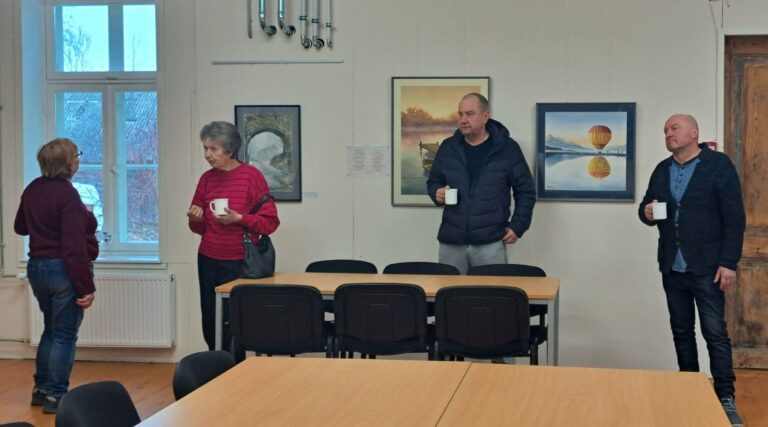
- Collaboration network spring meeting: On April 22nd, 29 network members and partners gathered at the Asuküla Community Center to reflect on the first quarter and set goals for the summer. The day was enriched by vibrant culture and art: Athanasios Karydis presented his exhibition “Fragments of Time,” restaurant Mandarin provided exotic flavors, and Turkish chef Ramazan prepared a cozy coffee break, creating a true sense of cross-cultural unity.
- International learning: From May 27th to 28th, coordinator Julia Gurjeva attended the “Integration Academy for Migrants and Refugees in the Baltic States, Module IV” in Riga, bringing back valuable international experience and fresh perspectives for the development of the Haapsalu community.
Language learning and new community initiatives
- End of the language café season: The Estonian language practice sessions held at Cafe Micio wrapped up their season in April, as the warmer weather drew people outdoors to focus on personal activities. We plan to resume these conversation circles in the autumn, provided there is enough interest and capacity.
- Formation of a men’s football team: In June, we took an outstanding step in developing a new service by supporting a community member in establishing a new non-profit organization. This athletic initiative aims to form a football team and begin training sessions for local men as early as the third quarter of 2026. Professional translation services were used to ensure that strategic information and rules were communicated clearly and accurately.
Active movement and community vitality
Physical activity continues to prove itself as the best universal language, helping to break down language barriers, boost health, and bring people together in a relaxed atmosphere.

Spring walk on the “Promenade” The Paths to Well-being trail.

- Pilates classes: Mind and body-supporting exercise sessions led by Ukrainian instructor Mila Zaporozhets continued through April and May, with 6-15 participants attending each class. The sessions wrapped up in June, encouraging participants to use their newfound confidence and well-being to continue staying active through Haapsalu’s diverse fitness opportunities.
- “Promenade” Spring Walk: On May 17th, a community health walk took place along the Haapsalu promenade, bringing 40 fitness enthusiasts to the seaside. The route followed the previously created and beloved The Paths to Well-being. The finish line program at the Haapsalu Yacht Club offered participants spruce sprout lemonade from Tänava Farm, a demonstration workout led by Mila and a creative wristband-making workshop. At the end of the event, prizes provided by our partner, Liikuv Läänemaa, were given away as prizes.
Crafts and culinary experiences
During the spring months, we hosted several creative workshops and craft sessions. In the cozy space of Kollane Mimoos, we learned to make airy fabric flower brooches, moss art, pinecone pictures that evoke the whispers of the forest and therapeutic felted soap sponges. In the homey atmosphere of Vika Köök, we gathered to cook Ukrainian-style golden potato pancakes, while at the MTÜ Meeste Koda Haapsalu shed, we handcrafted fragrant juniper wood trivets. Additionally, as part of the Louhi training, we held a workshop on making Ingerian belt weaving, where we explored fascinating folk costume traditions. The craft season concluded in June with a workshop where we created eye-catching crepe paper poppies.

Crepe paper poppy workshop

Crafting wooden trivets

Creating pinecone art

Creating moss art

Tablet weaving workshop

Felting workshop
Cultural events
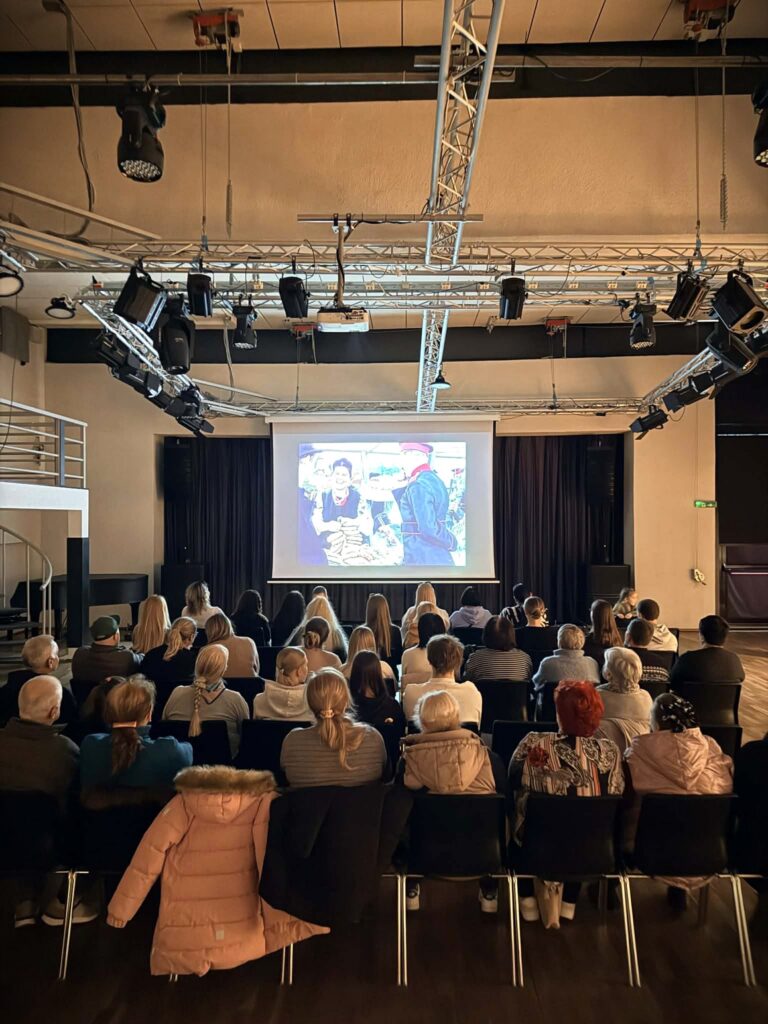
On April 10th, we celebrated Ukrainian Easter in a festive atmosphere at the Haapsalu Cultural Center with 62 people attending. Together, we watched the Ukrainian cult classic film “Chasing Two Hares,” which brought different generations together and provided an opportunity to share holiday traditions and spend time together.
On June 17th, a vibrant Indian Cultural Evening took place at the Coastal Swedens Museum, with 22 participants. During the evening, guests had the opportunity to try on traditional Indian sarees, get henna tattoos, and participate in a Bollywood dance workshop. The event offered a chance to learn about Indian culture, traditions, and customs through direct experience.
You can read more about both cultural events in our cultural stories section.

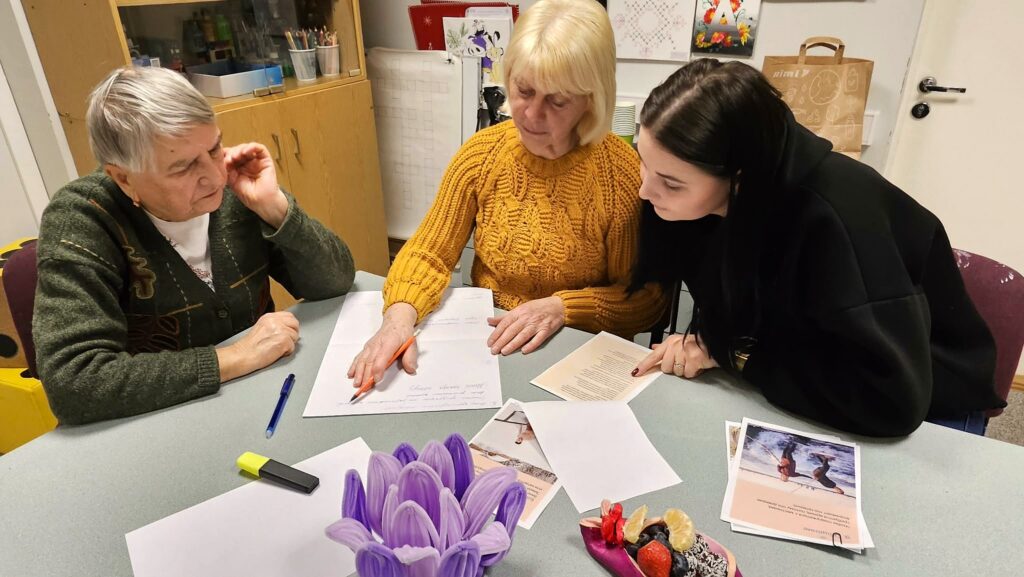
Senior club "Why do I live in Estonia?"
Led by Svea Stamberg, a long-time leader of integration projects in Haapsalu, the senior club continued its diverse program throughout the second quarter.
April
May
At the Haapsalu Central Library, we held an intergenerational digital literacy session with local youth and participated in a crucial crisis preparedness training at the Haapsalu Rescue Station. To close out the season, we glazed our finished ceramics and tested our mental agility in an engaging brain-training workshop.
June


Excursion to the Oru open gardens
On June 15th, a group of 28 participants enjoyed an excursion to the open gardens of Oru, where they explored some of Läänemaa’s most beautiful home gardens and gained new insights into nature-friendly gardening and photography.
Throughout the day, the group visited the gardens of Tammeoru, Urge farm, and Tursa farm. These gardens stand out for both their beauty and thoughtful design. Two of the visited gardens are recognized as beautiful gardens of Läänemaa and one of them received recognition in the President of Estonia’s “Estonian Home” competition in 2025. In several gardens participants learned about the principles of permaculture and how to create a sustainable garden environment that works in harmony with nature.
Aile, the hostess of the Tammeoru garden, shared practical tips on taking nature photos with a mobile phone. Participants learned how to use their phone camera’s features to capture high-quality, eye-catching nature photos using only everyday tools.


See What We Did in the First Quarter of 2026
Q1 2026: Practical Skills and a Growing Sense of Community
The first quarter of 2026 has been active and productive in Haapsalu’s integration projects. The focus has been on individual counselling, language practice, and shared activities that help new residents adapt more easily to local life.
Professional Support and Counselling
Psychological support, group therapy, and individual counselling services have continued.
- In January, a new integration and adaptation support coordinator, Julia Gurjeva, began working in Haapsalu. She advises the target group on important everyday matters at Posti 34, Haapsalu.
- As part of psychological support, the therapy group led by Natalja Šastina continues: „Saturday Meetings for Building Resources“ .
- Viktoriia Blinova regularly provides individual counselling. Over three months, more than one hundred sessions took place, clearly showing the need for the service: 38 in January, 32 in February, and 46 in March.
- At a network meeting held in January, a new clay therapy group starting in May was introduced. It is aimed at Ukrainians who have lived in Estonia for less than five years and are currently unemployed. The therapy group „On the Path to Work“ is run by the NGO Vaiter.
Cooperation within Networks
Language Learning Through Everyday Conversation
Language Cafés
Language cafés at Cafe Micios have offered an opportunity to practice Estonian in a supportive and relaxed environment. Cafe Micio is a cozy café in Haapsalu where Estonian is learned through natural, everyday conversation.- Advanced conversation group: Led by Marianna Babitševa, 23 people have registered during the quarter. The topics have been very practical, including doctor’s visits, banking services, and using online shops. Participants have become noticeably more confident and appreciate the playful methods (e.g. Alias, role-playing).
- Beginner “Café Chats”: Greek-born Athanasios Karydis has created an atmosphere where people talk about everyday life and hobbies. According to him, the most popular topics are those where participants can talk about themselves.
Physical Activity and a Healthy Lifestyle
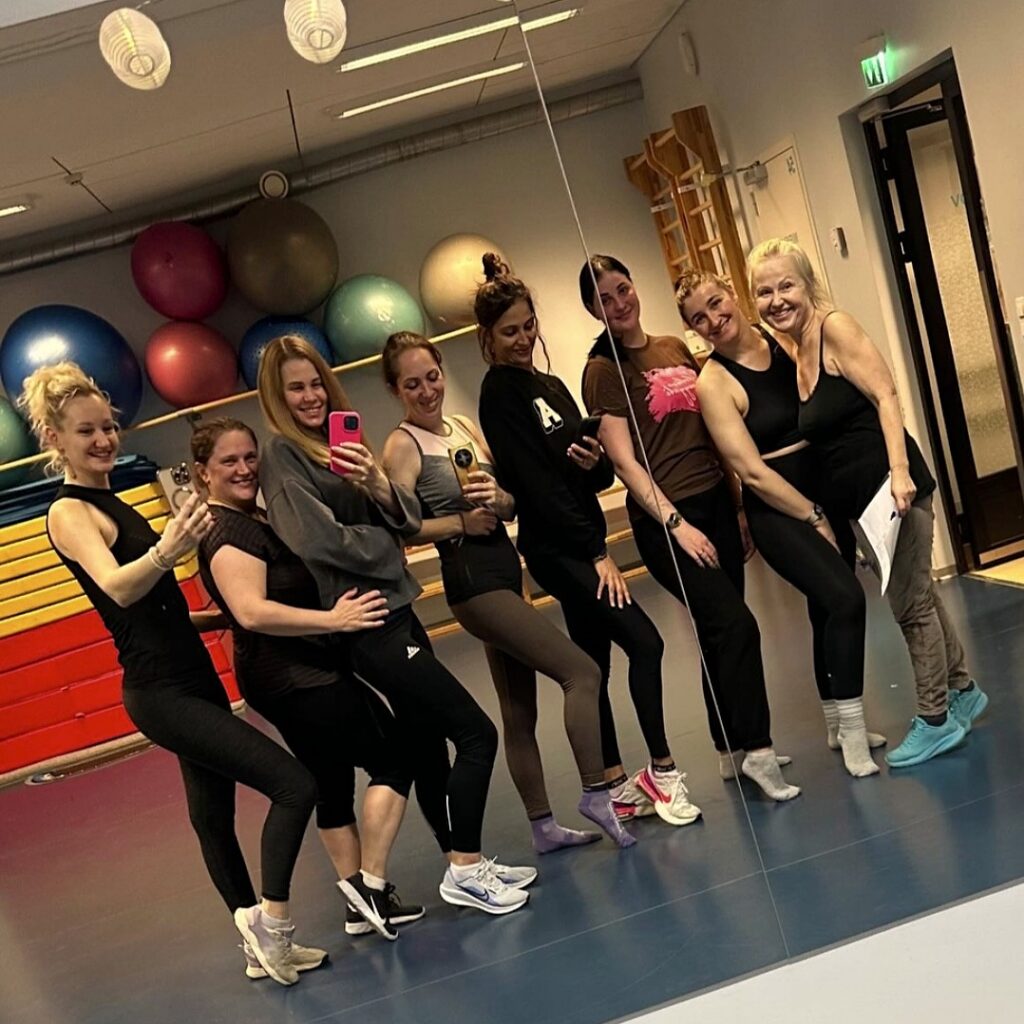
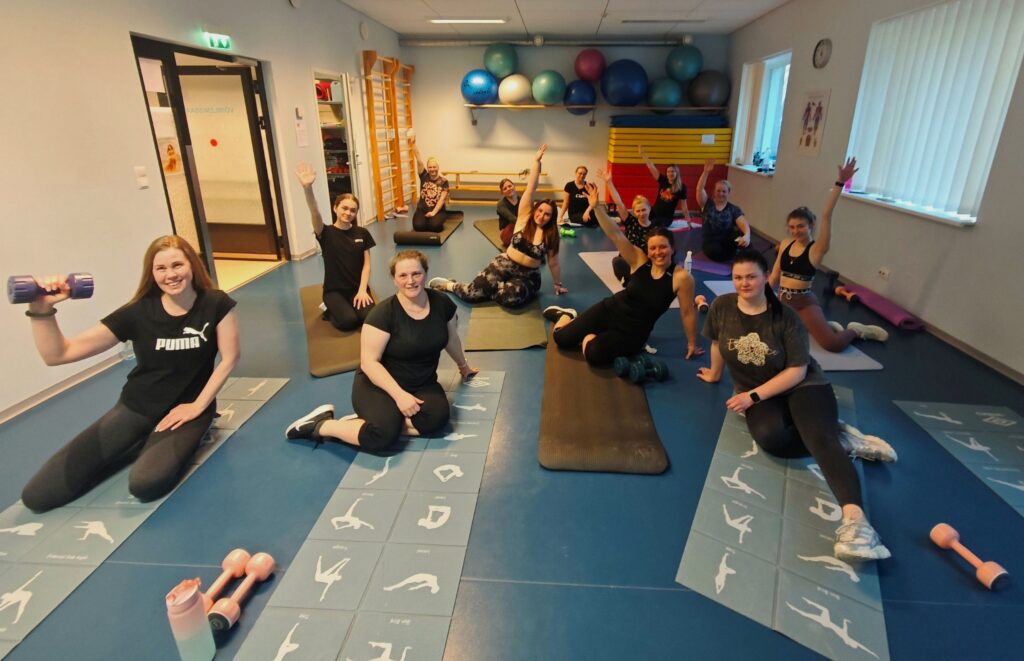
According to the instructor, interest has been high and consistent. Participants have become more confident, happier, and increasingly at ease within the group.
Food Culture and Crafts: Feeling at Home and Discovering New Flavours
Various workshops have brought together people from different nationalities to share traditions and learn new skills.
WORKSHOPS / CRAFTS
Mimoos Play and Party Rooms
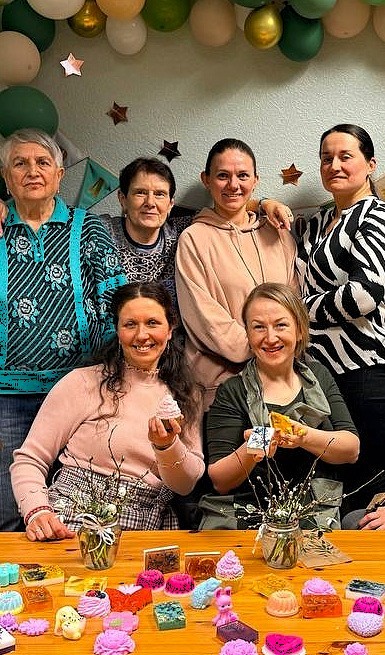
Ave Tapner and Julia Radzikovski have led six workshops, including candle making, handmade cards, soap making, and spring wreaths. Particularly popular was the preparation of khinkali and vareniki, which created a warm ‘big family’ atmosphere.
Food Traditions
Vika’s Kitchen
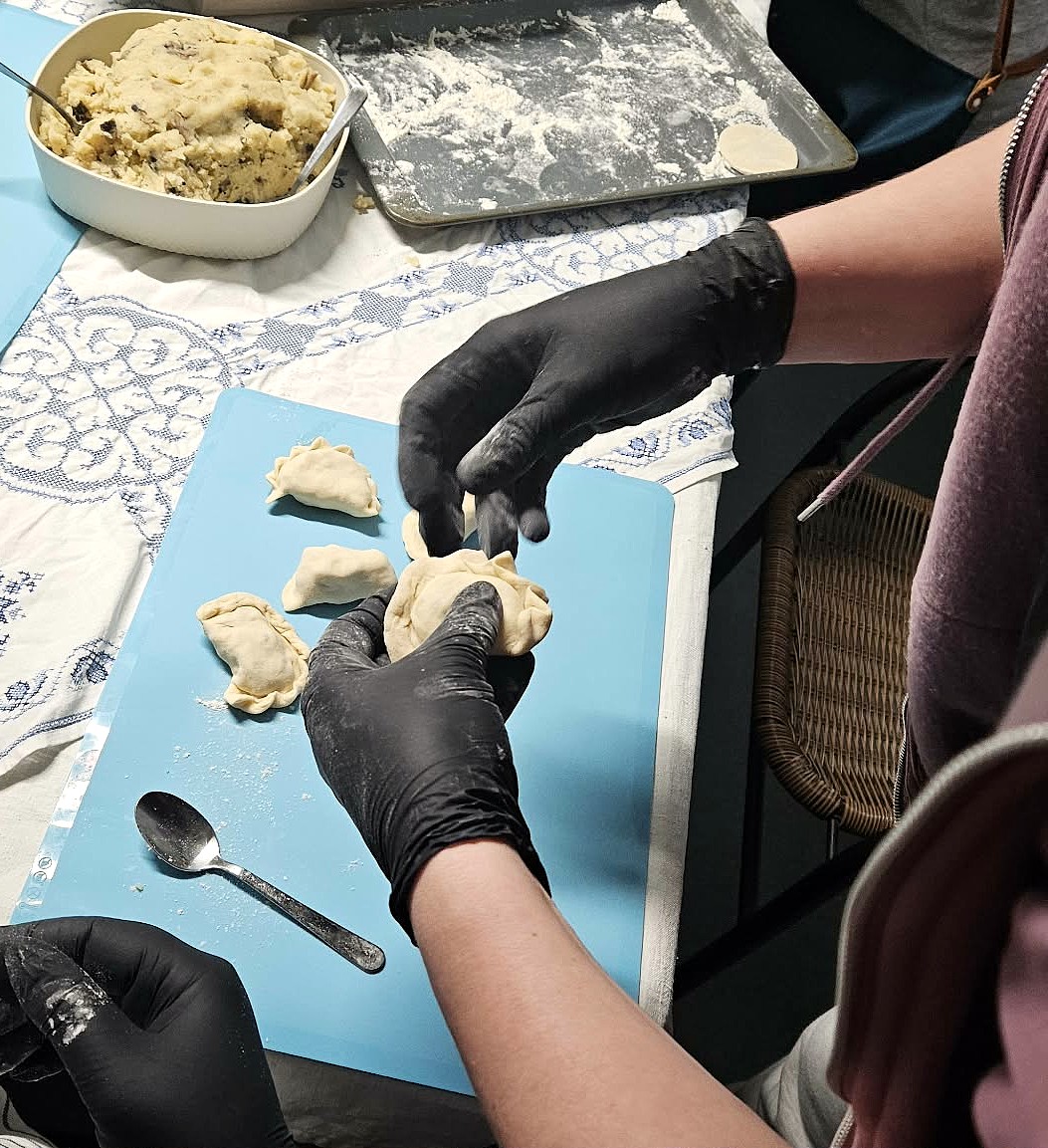
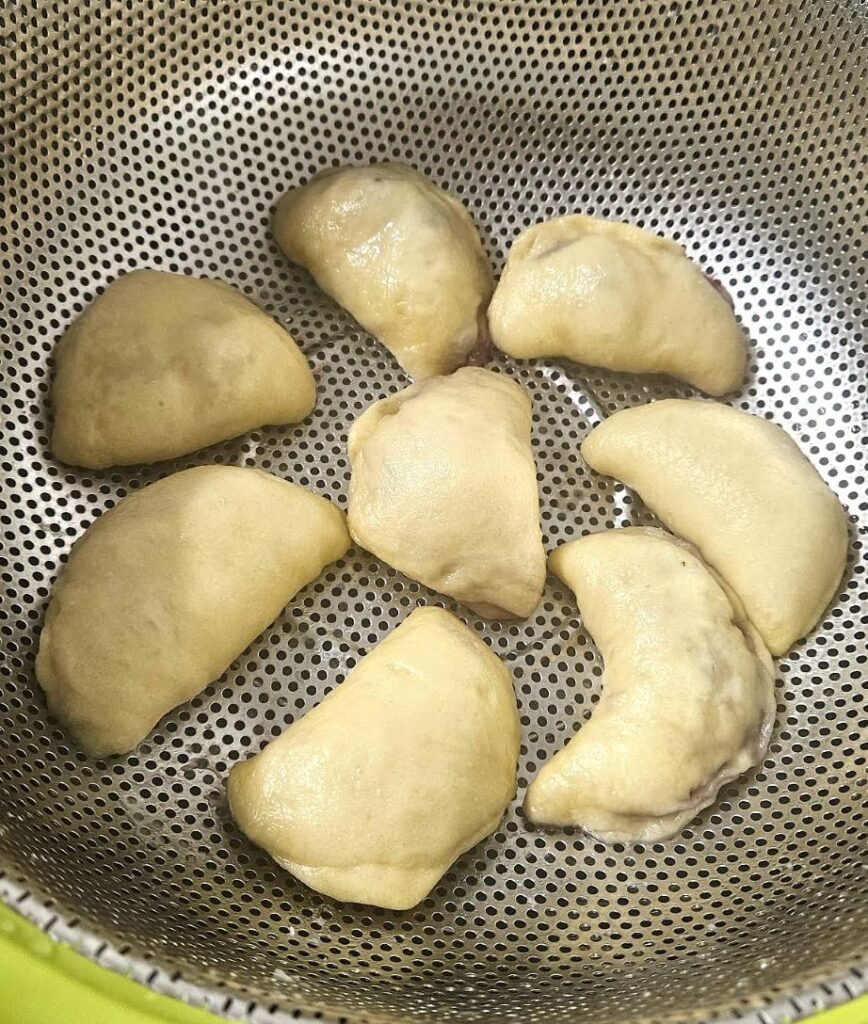
Under the guidance of Viktoriia Sobol, participants learned to prepare Ukrainian syrnyky (in February) as well as cherry and potato vareniki (in March). The homely atmosphere in her kitchen has earned heartfelt appreciation from the participants.
COMMUNITY
Asuküla Community Centre
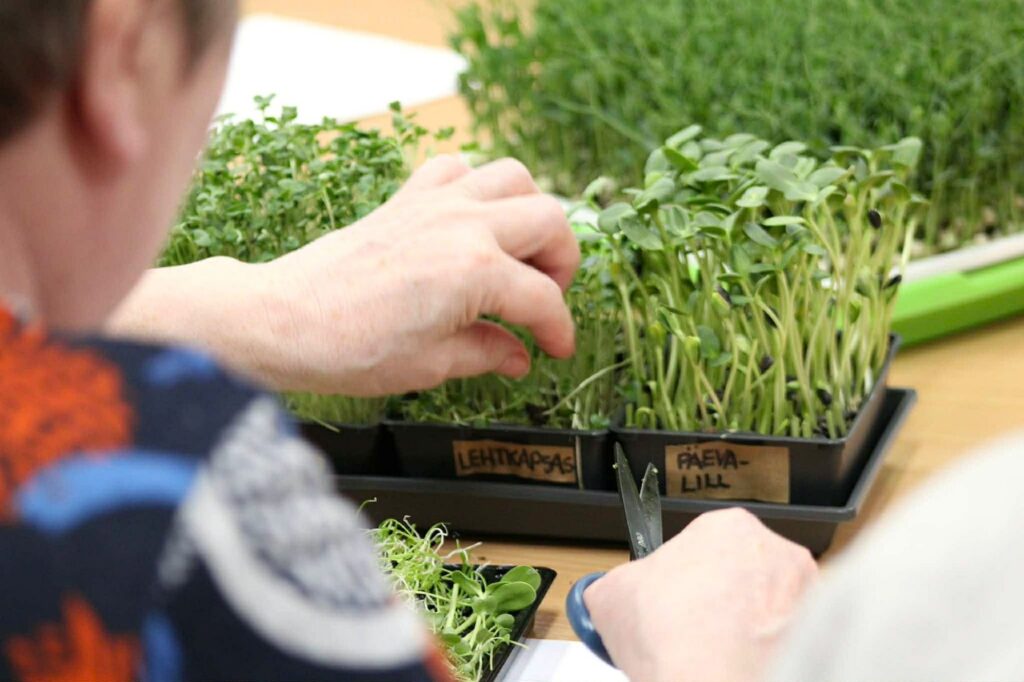
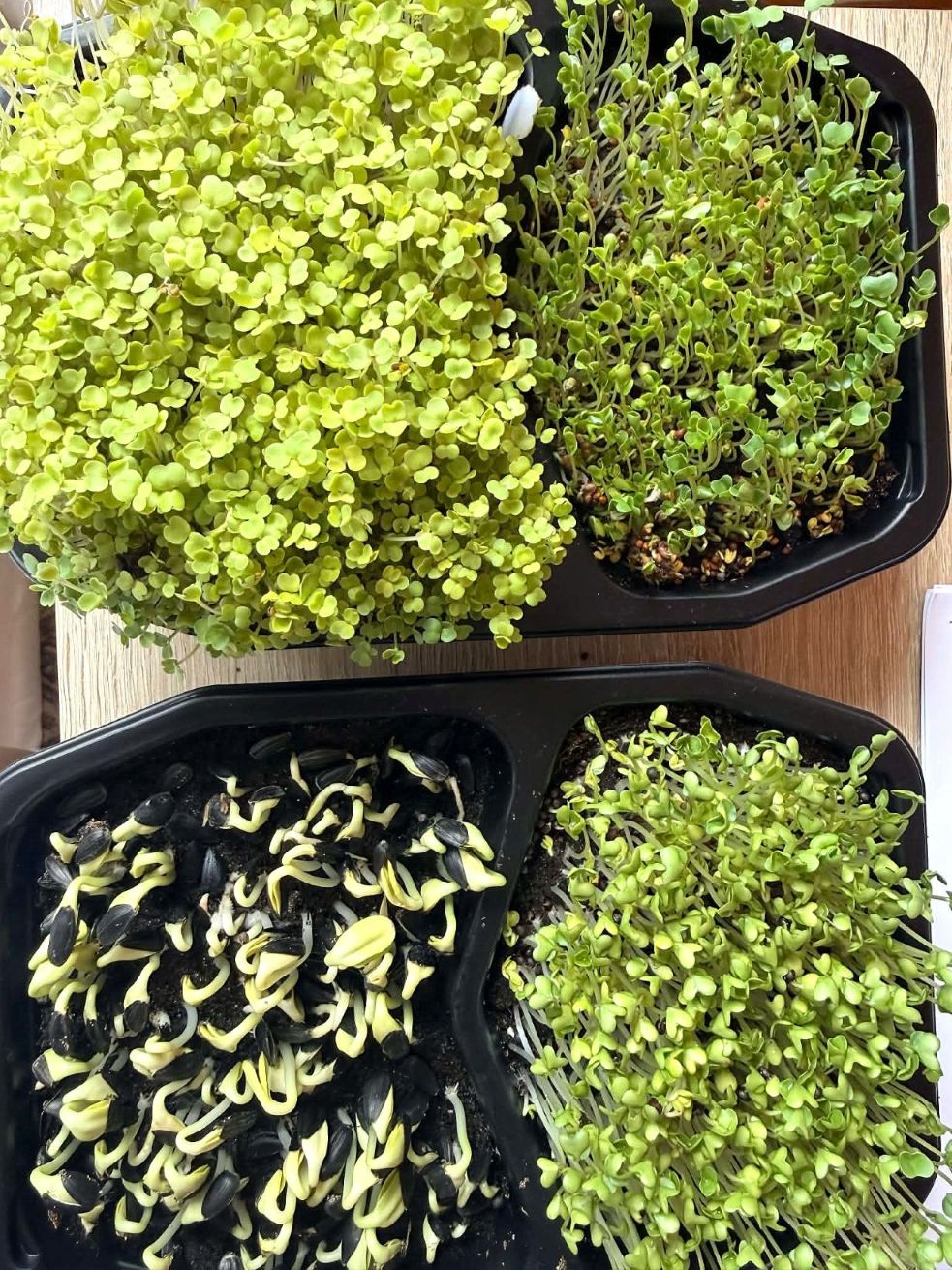
Healthy eating workshops were led by Imbi Sildaru. In January, participants explored agave syrup and lassi, and in March, they learned about sprouts and microgreens, with seeds provided for them to take home.
Senior Club “Why Do I Live in Estonia…”
The club led by Svea Stamberg has become an important place for socialising for older adults. Svea was one of the initiators and key organisers of the project ‘Integration and Adaptation Support in Haapsalu.’ During the first quarter, a total of five meetings took place, with an average of 9–10 participants per session (19 people have taken part in the club overall).
“Focus and Activities
The club’s main goal is to come together and socialise, while all additional activities are a welcome bonus for participants. Each meeting always begins with memory training. In February, participants made traditional shrove buns (vastlakuklid) at Cafe Micio and talked about related traditions.
Visiting an Antique Shop
On March 11, participants visited an antique shop on Männiku Road. The shop owner Lilija, who is also a member of the club, introduced the history of antiques together with her Estonian partner. Participants learned how to identify antique items and created lampshades together.
Flavours of India and Culture
On March 25, Kishori (from Restaurant Mandarin) introduced participants to Indian spices, shared recipes, and offered masala tea for tasting. Together, they discussed Indian culture and languages.
Supporting One Another
Integration Through Art
Greek Artist Settled in Haapsalu Shares "Fragments of Time"
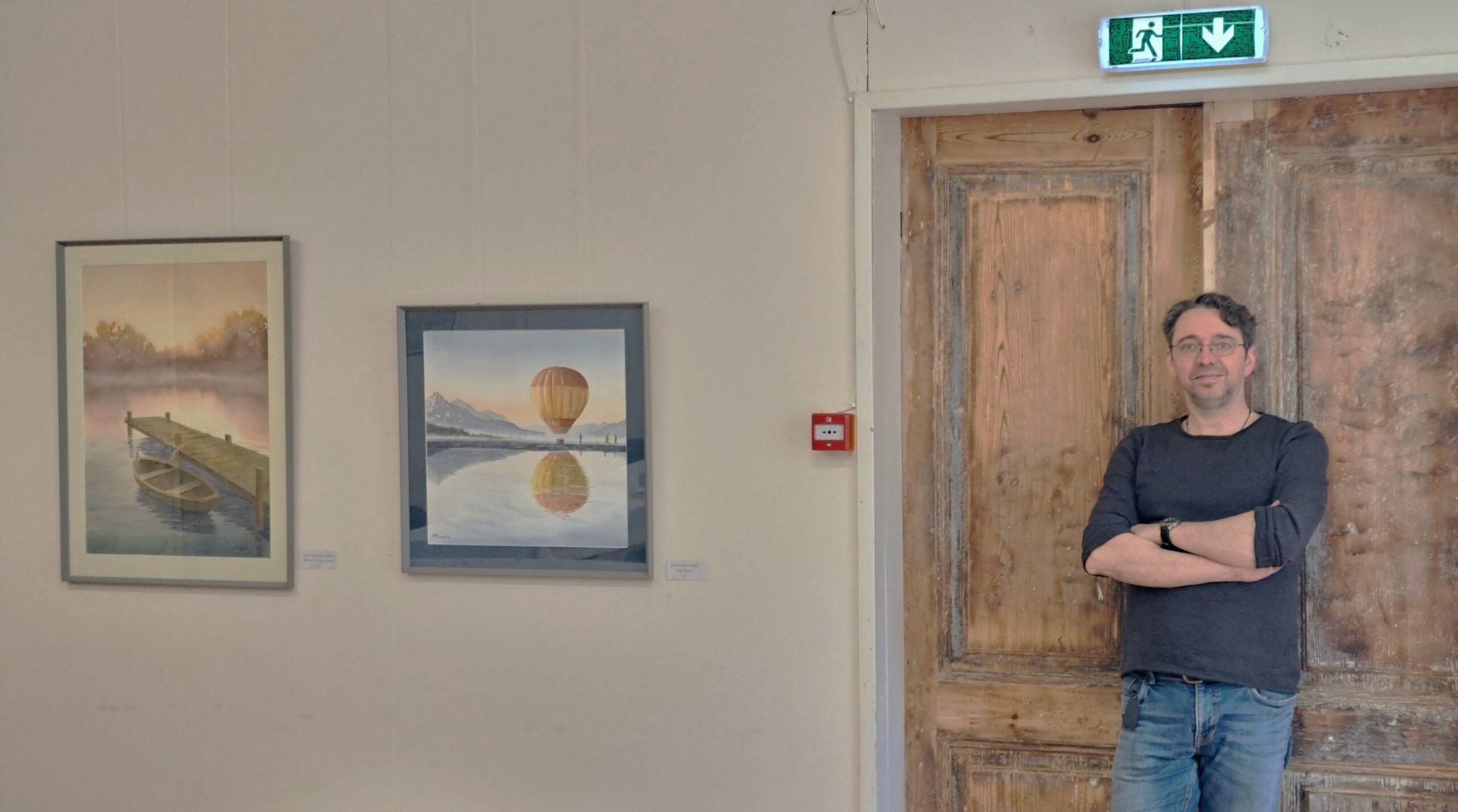
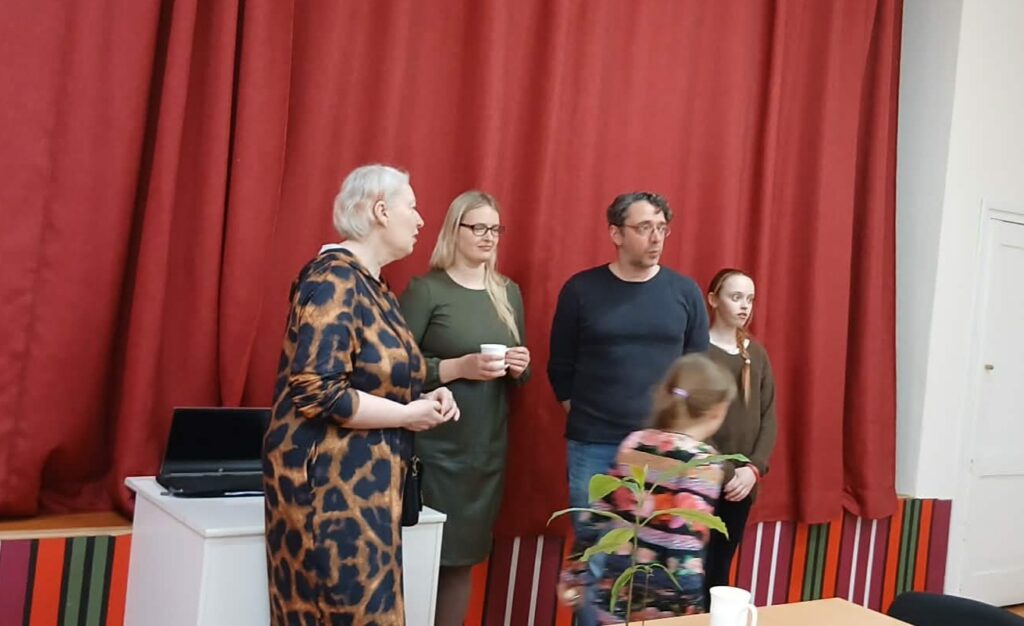
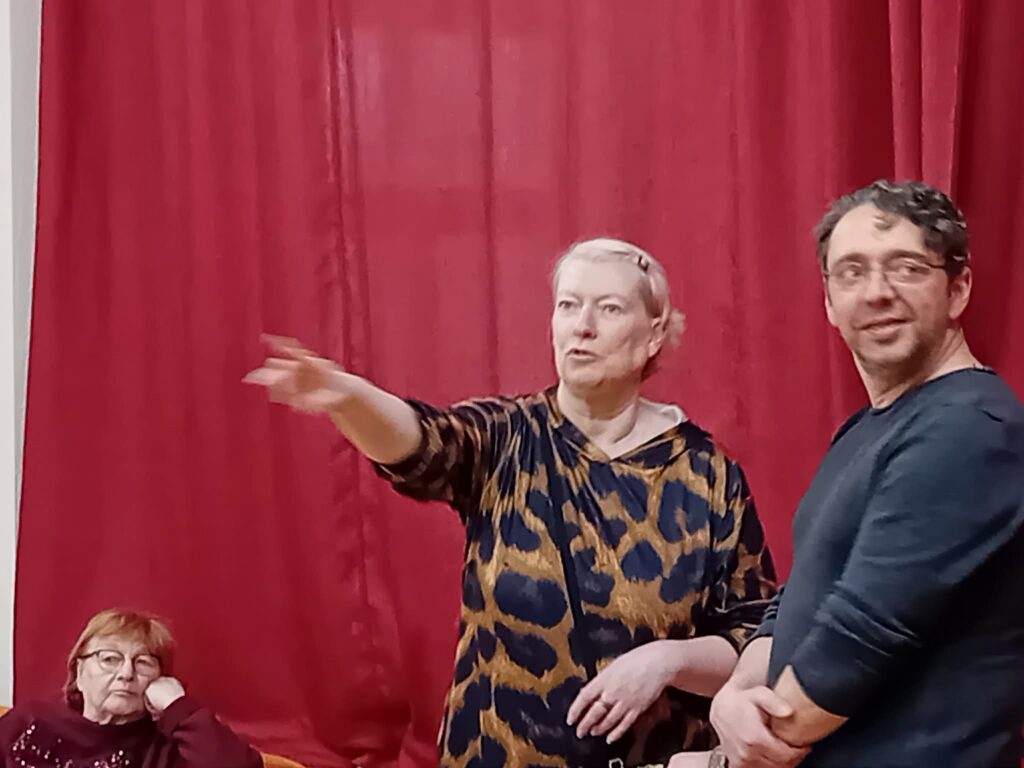
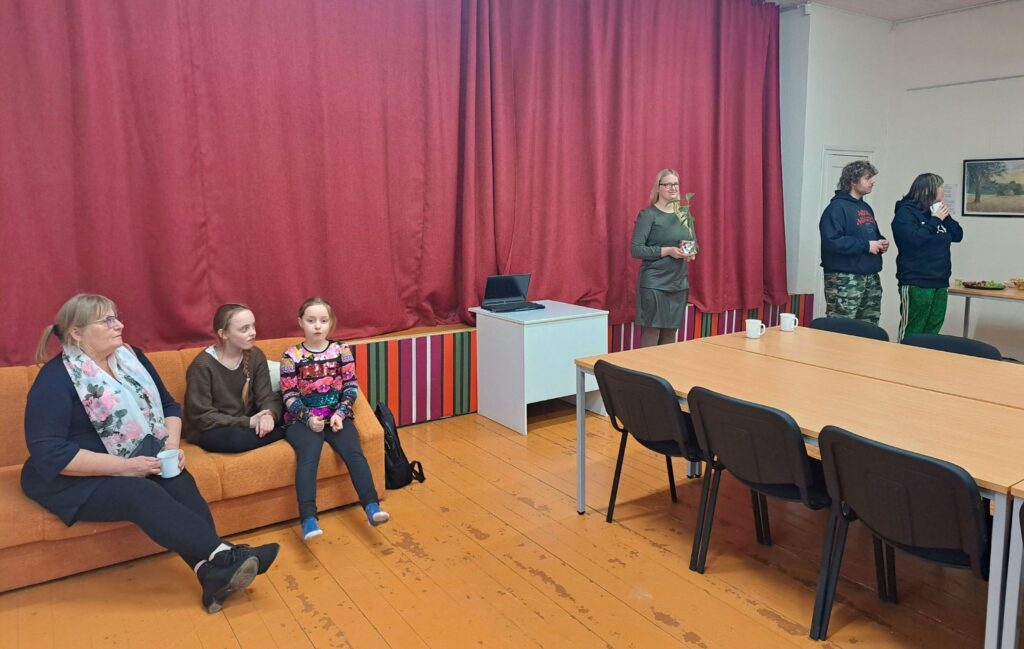
On the afternoon of April 4th, the Asuküla community center gallery was filled with a warm buzz and the vibrant colors of watercolors. A delightful evening was held with Athanasios Karydis, a Greek artist based in Haapsalu, whose exhibition “Fragments of Time” (Aja killud) has offered locals both visual beauty and food for thought.
The event held symbolic significance. It was more than just an art exhibition; it was a living example of how culture and language bring people together.
Linguistic Integration as a Natural Part of Life
One of the evening’s biggest surprises and points of admiration was Athanasios’s excellent command of the Estonian language. Having lived in Haapsalu for about ten years, the artist expressed himself freely and fluently throughout the conversation, sharing stories about both his life and his art. The fact that he attended the event with his entire family further emphasized his deep roots within the local community.
A Glimpse Behind "Fragments of Time"
-
- Dedication: Although Athanasios has been working with watercolors for five years, it has become a daily passion and profession for him.
- Precision and Time: Completing a single, detail-rich watercolor painting takes an average of two weeks, though some pieces may require even more time.
- Sources of Inspiration: The artist prefers to paint based on his own photographs or combine photographic material with his memories, creating a personal and emotional whole.
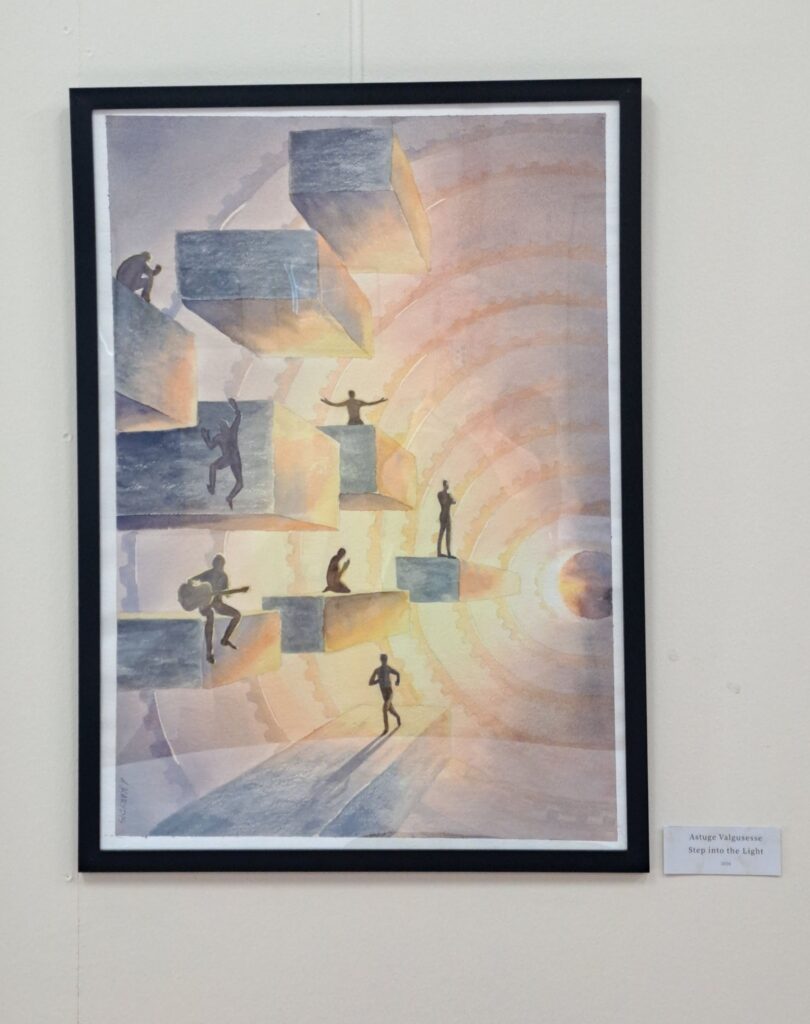
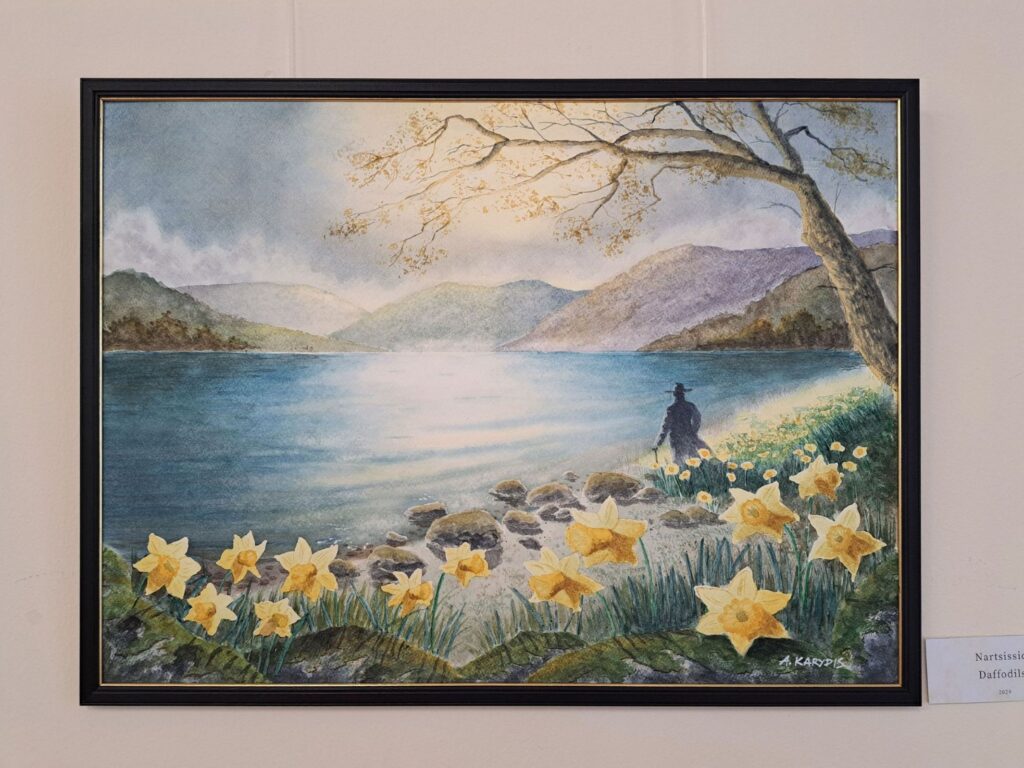
Exhibition Open for a Limited Time
The meeting confirmed that art is a universal language that knows no borders. Those who could not attend the event are welcome to visit the exhibition until April 22nd.
Visitor Information: The exhibition “Fragments of Time” is open during Asuküla library hours or by prior arrangement with the community center.
Take a Look at What We Did in 2025
2025 Summary: A Year of Building Community
More and more people are living in Haapsalu whose journeys have brought them here from different parts of the world. At the same time, there is also a community that has been here for a long time.
The focus of 2025 was on bringing these two sides together and creating opportunities for people to meet, connect, and better understand one another. Over the course of the year, a strong cooperation network and a diverse system of activities took shape, where communities, partners, and participants work together.
In supporting adaptation and integration, we place great importance on involving local communities. Integration can only be successful when local communities are open and ready to welcome people from different cultural backgrounds. The goal is to involve more people of different nationalities living in Haapsalu, as well as members of local communities, in these activities.
Community Support and Cultural Exchange
Shared activities created a safe and open environment where different cultures could meet naturally.
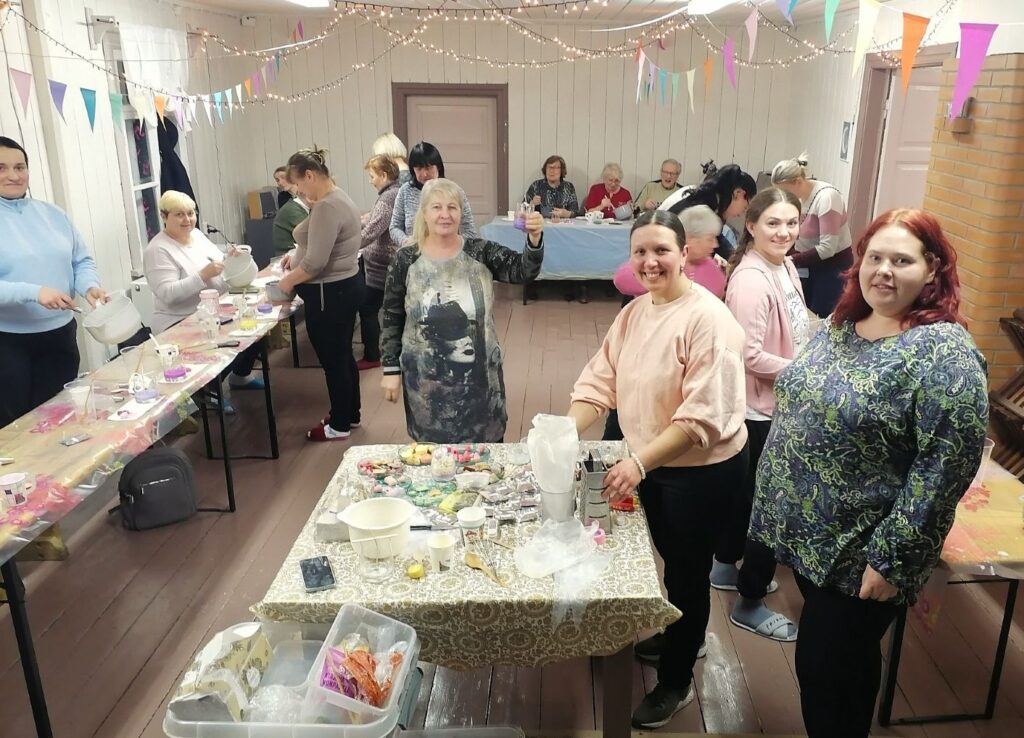
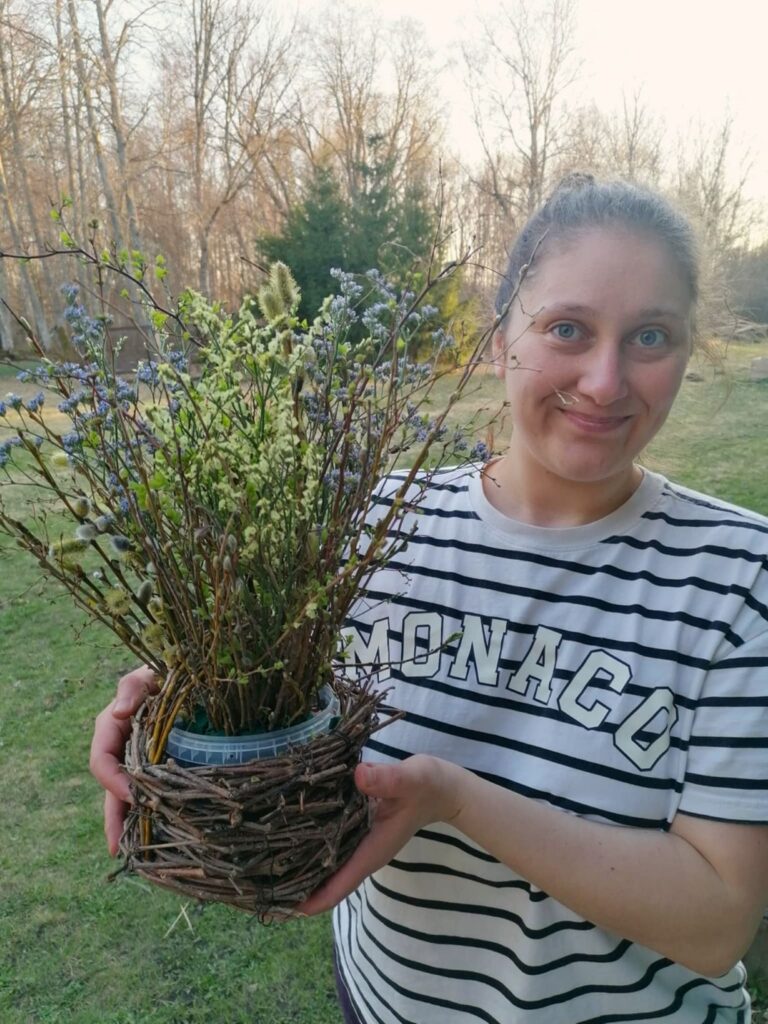
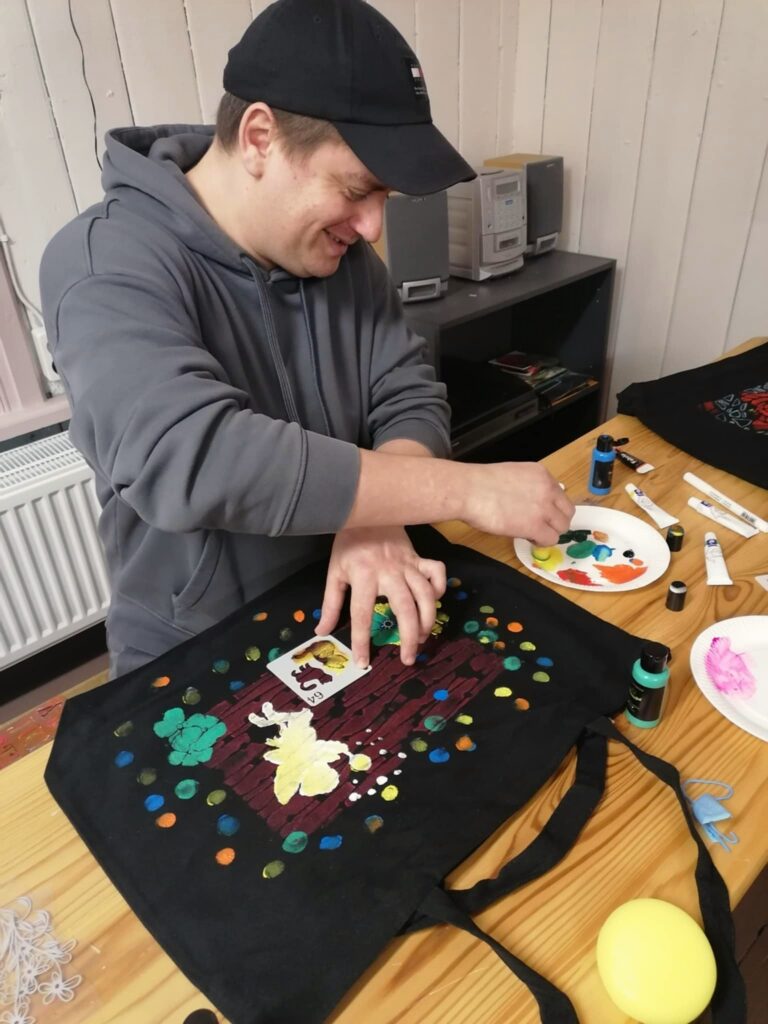
During the year, local community organisations (Asuküla Selts MTÜ, Võnnu Noorte Selts MTÜ, Meeste Koda Haapsalu Kuur MTÜ, and Kollane Mimoos OÜ) organised 15 workshops introducing Estonian national culture, crafts, art, and heritage.
Over the course of 2025, different communities held 15 workshops where people from various national backgrounds could take part together, learn, and get to know one another better. The workshops were conducted in Estonian, naturally combining language learning with culture and everyday communication.
As part of the project, we supported four major events.
UKRAINIAN CULTURE
April 27, 2025
Ukrainian Easter Traditions in Haapsalu
This engaging event brought together people of different ages to explore Ukrainian culture through food, music, and traditions.
During the event, visitors enjoyed traditional Ukrainian Easter paskha, folk dances, various games, and Ukrainian songs. Performances on stage were given by Tetiana Ivuškina and the trio Perelaz.
LOCAL HERITAGE
June 21, 2025
Rannarootsi Day at the Rannarootsi Museum
This summer community event brought together music, flavours, and shared activities, offering an opportunity to experience Coastal Swedes culture through hands-on experiences.
The day began with a lively concert by Ruslan Trochynskyi. After that, participants took part in workshops, played the hiiu kannel, and went boating. The solstice was celebrated following Rannarootsi traditions.
COMMUNITY AND FLAVOURS
August 15–16, 2025
Home Café Days in Haapsalu
For the fourth time, the ‘Great Haapsalu Home Café Days’ took place in Haapsalu, with cafés opening in home gardens and various locations across the town.
As part of the project, traditional Ukrainian flavours, Turkish cuisine, and Ingrian and Karelian national dishes were represented. Visitors could also enjoy various games and folk music at the pop-up cafés.
LANGUAGE AND CULTURE
September 26, 2025
European Day of Languages at Ilon’s Wonderland
The Day of Languages highlighted how language and culture help build connections between people of different nationalities and support mutual understanding.
A short film about illustrator Ilon Wikland, who fled from Haapsalu to Sweden during World War II, was shown. A workshop titled ‘800 Years Side by Side with the Coastal Swedes – Land, People, Language’ was held, and participants were introduced to the Swedish language and ways of learning it.
Community and Meetings
In September, a series of events titled “Meeting Café – Stories from Around the World” was launched, where more and more people share their experiences of adapting to life in Estonia and choosing Haapsalu as their new home. People who have settled in Haapsalu from the Netherlands, Turkey, and Mexico introduced their cultures and traditions.
Residents of Haapsalu represent 32 nationalities. Through our activities so far, we have involved representatives of 18 different nationalities in adaptation-related initiatives in one way or another. As part of the project, seven members of the target group are also providing services themselves.
Estonian Language and Everyday Communication
In autumn, the focus was on learning Estonian. At the Haapsalu Adult Education Centre, 88 people from different national backgrounds began language studies. There have been some dropouts, but it is hoped that around 70 learners will complete the course.
In addition, opportunities were created to practise the language in everyday communication. Conversation groups were held for both beginners and advanced learners, and a language club called “Keele Sulps” is currently being developed.
Health and Well-being
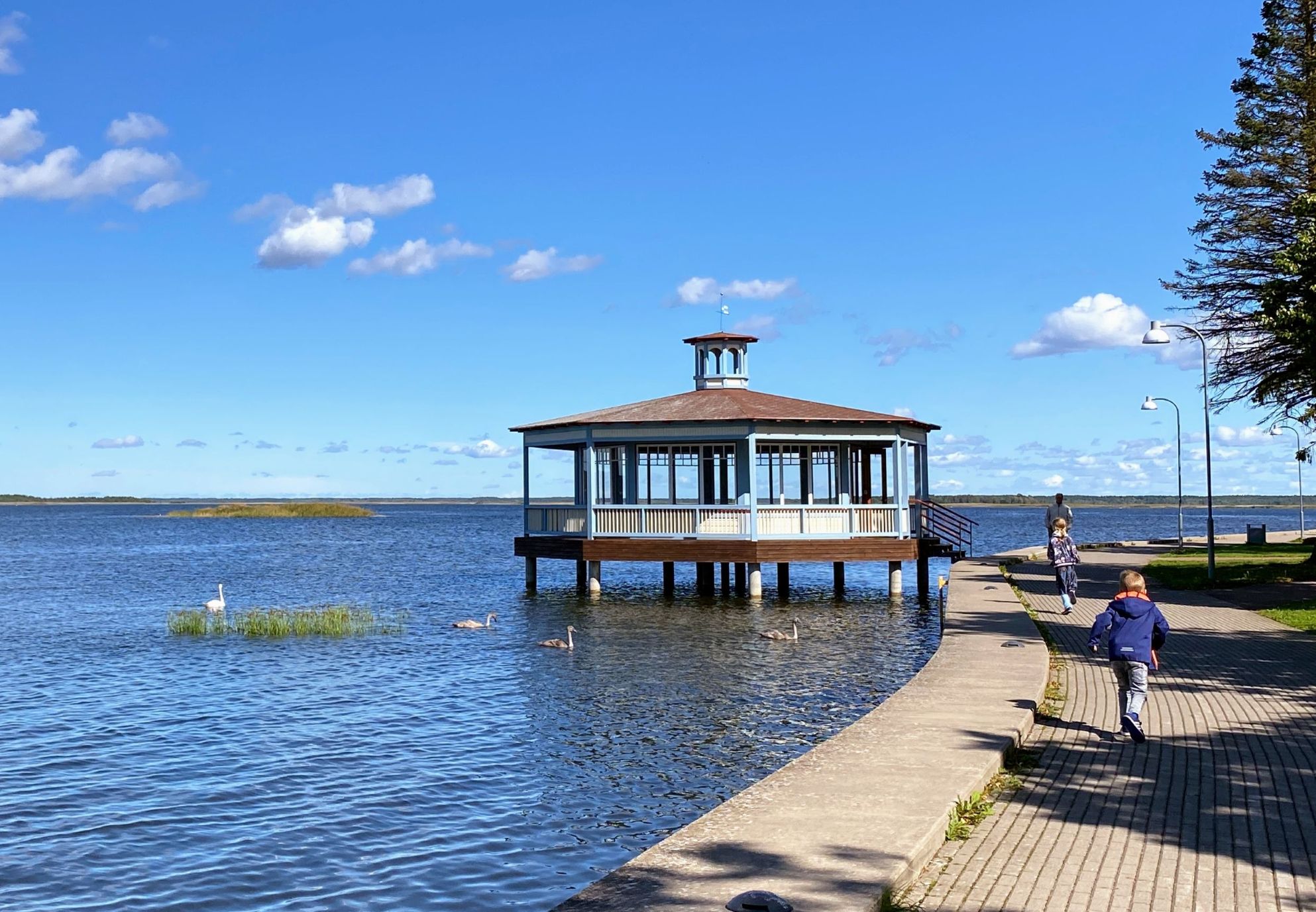
The Paths to Well-being run through the streets of Haapsalu, green spaces, and various cultural sites.
Path 1 “Path to Well-being – Promenade” follows a route along Haapsalu’s beautiful seaside promenade. After the opening event, an autumn activity challenge was launched. Over the course of two months, participants were encouraged to complete the path at least eight times, including four times together with a trainer. A map of the route, along with photos and videos, is available on the project website.
Services that Provide Practical and Emotional Support
Adapting to a new environment, community, and way of life can be challenging. To support this, we have developed services that provide help both with practical matters and emotional well-being. We help people find their way and connect with the right contacts.
We offer guidance in finding the necessary information, direct people to relevant services, and create opportunities for discussions and sharing experiences. When needed, it is also possible to take part in individual counselling, support groups, and discussion evenings.
In cooperation with partners and the community, we continuously develop new solutions to ensure that everyone can find the support and opportunities that suit them best.
The 2025 summary was written by Maire Vilbas, Community Work Specialist at the Haapsalu City Government and one of the initiators and key coordinators of the project ‘Integration and Adaptation Support in Haapsalu.’”